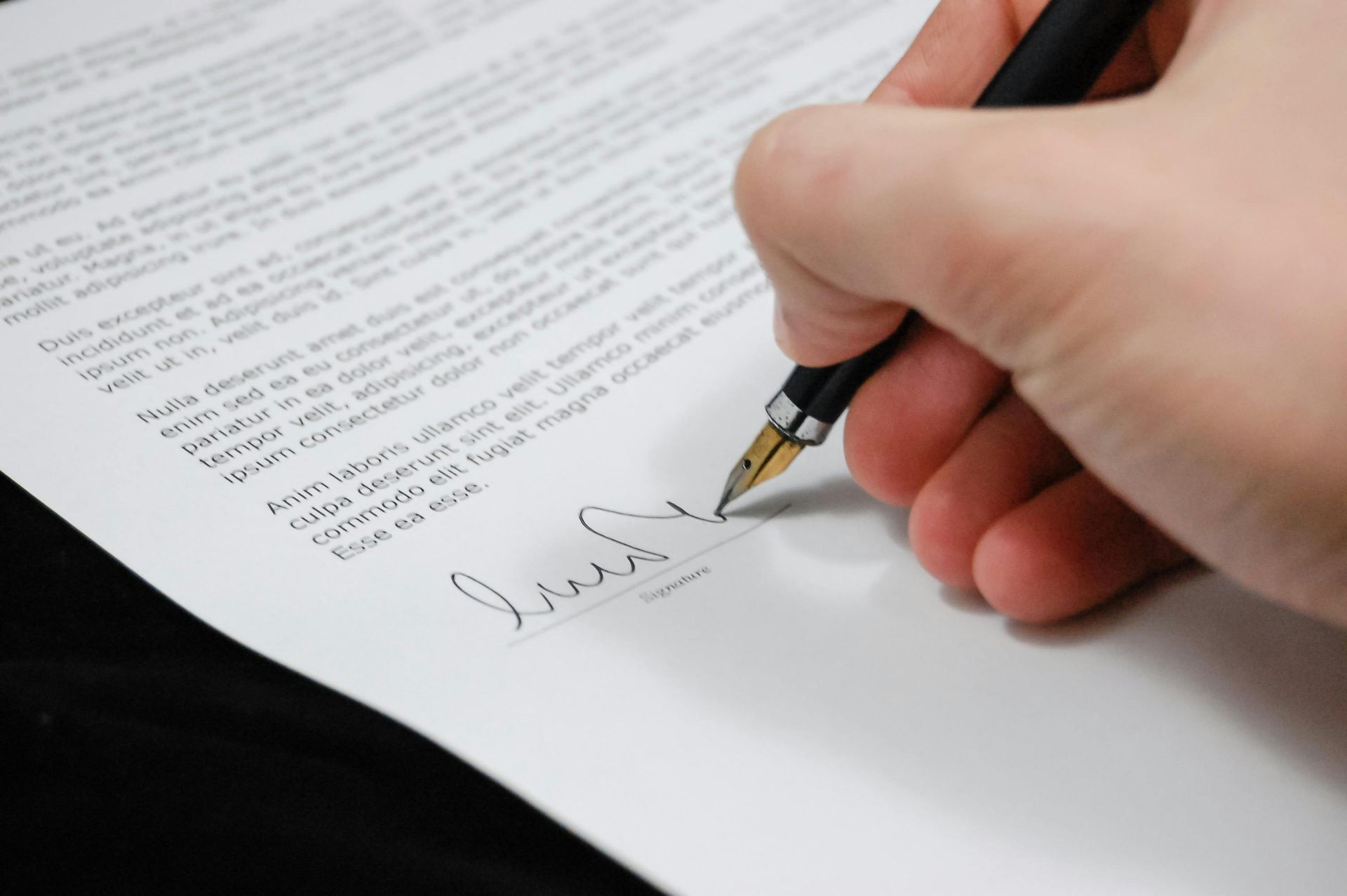
Why Didn’t You Stop the High-Risk Action Before It Ever Ran?
The Governance Brief CIOs, CTOs, and AI Leaders Aren’t Being Given — But Should Be Demanding
We’re watching systems fail, not just because models say odd things — but because actions are being taken that were never structurally disallowed.
This isn’t a hallucination problem.
It’s not a prompt problem.
It’s not even primarily a model problem.
It’s a governance gap at the execution edge.
LLMs, agents, and workflow tools are now perfectly capable of:
- drafting decisions,
- wiring themselves into APIs, and
- triggering filings, payments, or records
with no hard gate that asks:
“Given this actor, this system, this matter, and this authority — is this action allowed to run at all?”
That’s the missing layer.
Runtime Guardrails Are Not Enough
Most “safety” systems today behave like airbags:
- They sit downstream of the model.
- They analyze or filter output after it’s generated.
- They may even block some responses.
Useful — but reactive.
When AI systems are allowed to:
- generate plans,
- call tools, and
- execute steps
without a pre-execution authority check, you get:
- plausible but unauthorized filings,
- out-of-scope approvals,
- misrouted communications with real clients and regulators.
You cannot fix that with:
- better safety prompts,
- more RLHF, or
- nicer interpretability dashboards after the fact.
Those help you understand the failure.
They don’t stop the action that created it.
What Thinking OS™ Seals
Thinking OS™ doesn’t sit inside your model.
It doesn’t wrap prompts or tune outputs.
It provides Refusal Infrastructure — a sealed governance layer in front of high-risk actions.
In workflows wired to SEAL Runtime, nothing high-risk can execute until a simple, structural question is answered:
“Is this specific person or system allowed to take this specific action, in this context, under this authority, right now — allow / refuse / supervise?”
Concretely, that means:
- Drafts can exist, but filings don’t leave without passing the gate.
- Agents can propose, but approvals don’t record without passing the gate.
- Workflows can prepare, but no “file / send / move / commit” step runs without a SEAL decision.
And every governed attempt leaves behind a sealed, tamper-evident artifact the client owns:
- who tried to act,
- on what,
- which policy anchors applied,
- what the gate decided, and
- when.
You’re not sealing “thought.”
You’re sealing
execution rights and the evidence they were enforced.
Why This Becomes Non-Optional at Scale
At small scale, you can absorb errors with manual review.
At scale, those same errors become:
- patterns in production,
- habits in workflows,
- and eventually assumptions baked into how the organization moves.
That’s how:
- a one-off AI misstep becomes a systemic approval pattern,
- an experimental agent becomes de facto routing for client communications,
- a “harmless” auto-file becomes a regulatory incident.
If you use AI in:
- legal workflows,
- regulated approvals, or
- any environment where actions are binding,
this is not a “nice-to-have safety layer.”
It’s a
governance responsibility.
Questions CIOs and CTOs Should Be Asking Now
The right questions are no longer:
- “Which model are we using?”
- “How good are our prompts?”
They sound more like:
- What actions can our AI-assisted systems execute today — and where is the gate that can refuse them?
- For each high-risk action, can we show a pre-execution decision, not just a log after the fact?
- Do we own sealed evidence of who allowed what to happen, under which authority, when things go right — and when they don’t?
If you can’t answer those, the failure mode is already baked in.
Not because your systems are “too advanced” — but because
nothing in the stack was assigned the job of saying NO with proof.
To the Leaders Reading This
This isn’t another AI policy memo.
It’s a stack-level wake-up call.
Thinking OS™ was built for one purpose:
To govern what earns the right to execute — not just what can.
- It does not replace your models.
- It does not replace your tools.
- It installs a pre-execution Action Governance gate for high-risk legal actions and produces sealed artifacts for every decision.
Until that kind of refusal infrastructure is in place, AI will keep producing not just surprising outputs — but binding actions that should never have been allowed to run.
The pressure hasn’t even peaked yet.
But the permission you think you have?
It’s already eroding.
Thinking OS™
Refusal Infrastructure.
A sealed governance layer in front of high-risk actions —
so your systems can move fast
inside boundaries you can actually prove.